Checklists
How to Prepare a Horse for Long Trailer Transport
A practical pre-trip checklist for feed, water, loading, documents, medications, and handling notes before a long horse transport.
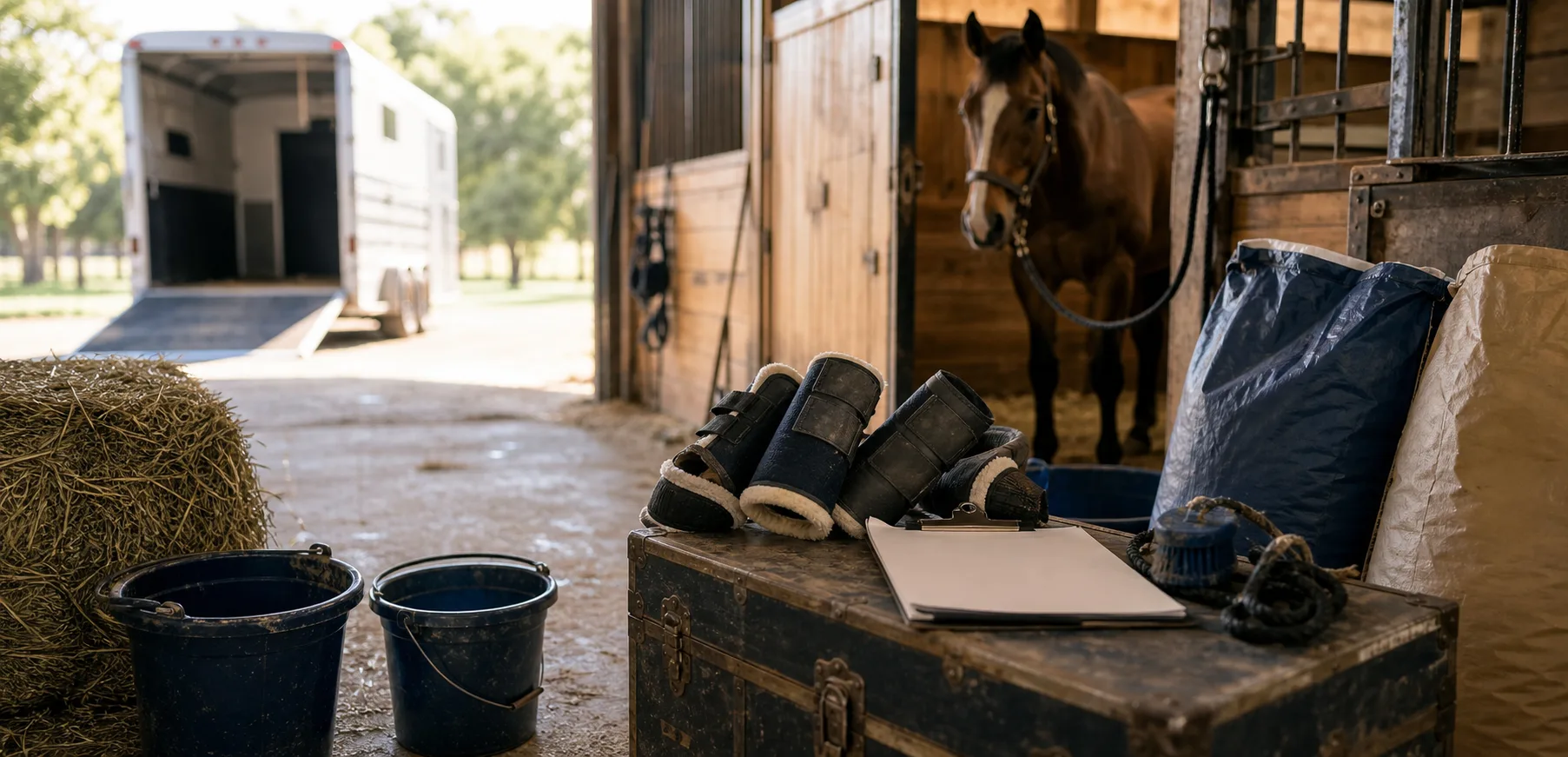
Preparing a horse for long trailer transport is mostly about reducing surprises. Keep the horse on familiar feed, organize documents and emergency contacts, practice loading when needed, pack clear instructions, and make sure the transporter knows the horse's travel history before pickup.
A long trip magnifies small gaps. A missing medication note, unclear water preference, tight driveway, or undisclosed loading problem can affect the schedule for the horse, the driver, and every barn on the route.
Table of contents
- How to prepare a horse for long trailer transport
- Start with the horse's normal routine
- Practice loading before pickup day
- Pack feed, hay, water notes, and medications
- Prepare documents and emergency contacts
- What to tell the transporter
- Common preparation mistakes
- How Palomo helps
How to prepare a horse for long trailer transport
Start several days before pickup. Confirm the route, paperwork, pickup access, feed plan, medication instructions, loading notes, and destination contact. Avoid changing feed or routine right before shipping unless your veterinarian directs it.
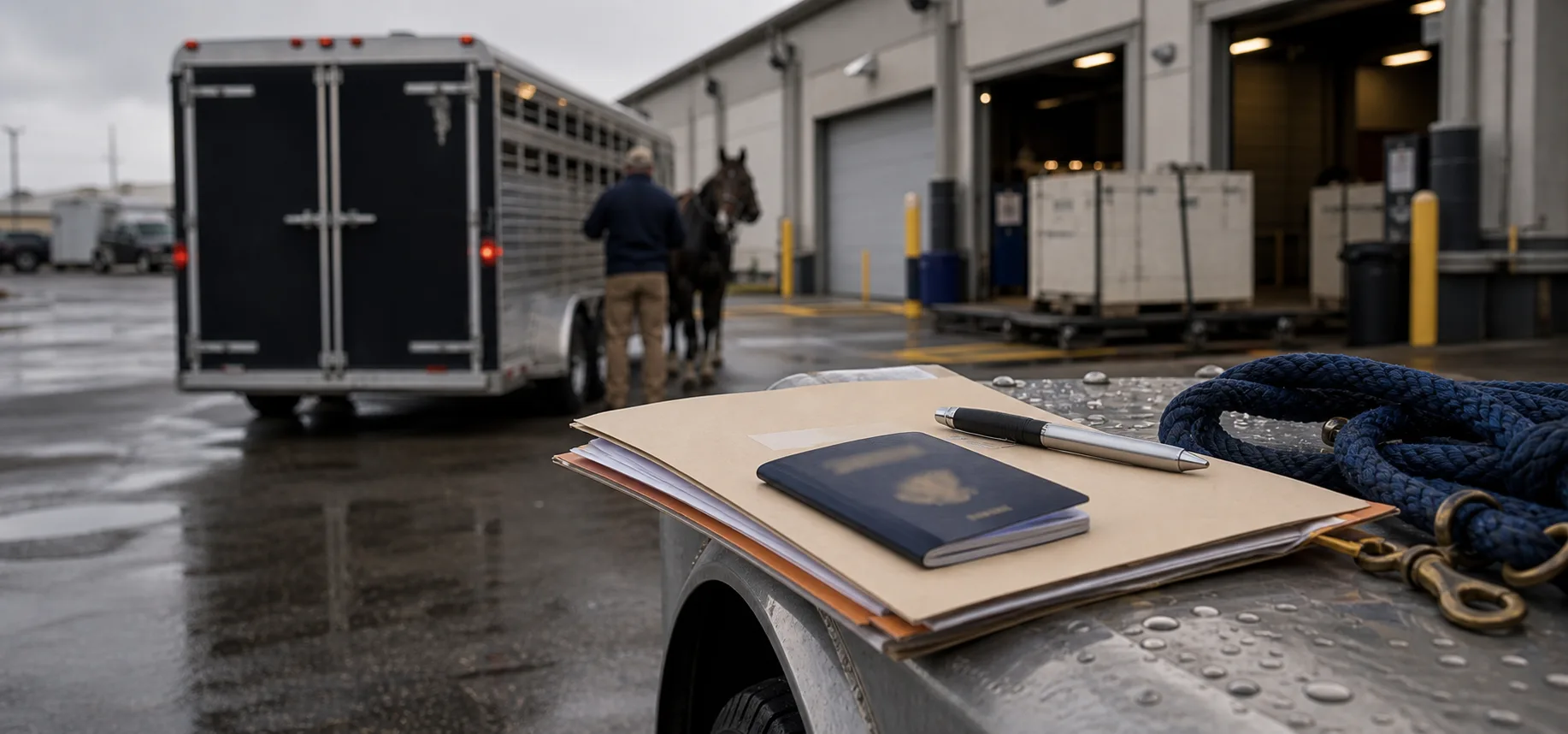
- Confirm Coggins, CVI or health certificate, destination instructions, and emergency contacts.
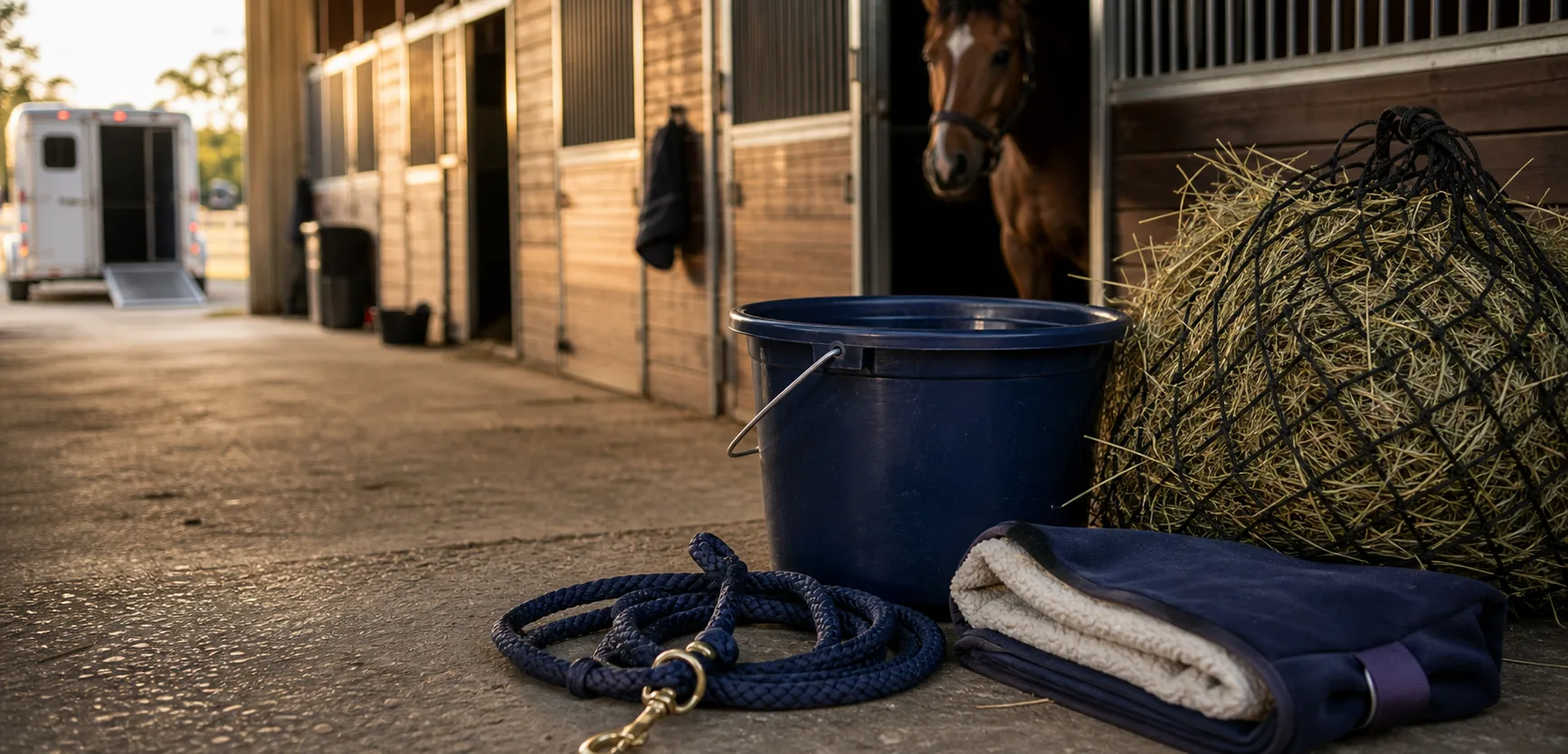
- Pack familiar hay, feed, supplements, and medications with written instructions.
- Tell the transporter about loading quirks, stall preference, past travel problems, and medical history.
- Keep the horse on a normal routine before pickup where possible.
- Confirm whether the route includes rest stops, layovers, or a direct run.
Start with the horse's normal routine
A horse that ships calmly usually benefits from consistency. Keep feed, turnout, water access, shoeing, and handling as normal as possible leading into the trip. If the horse has a veterinary issue, medication schedule, or recent change in work, discuss it with your veterinarian before travel.
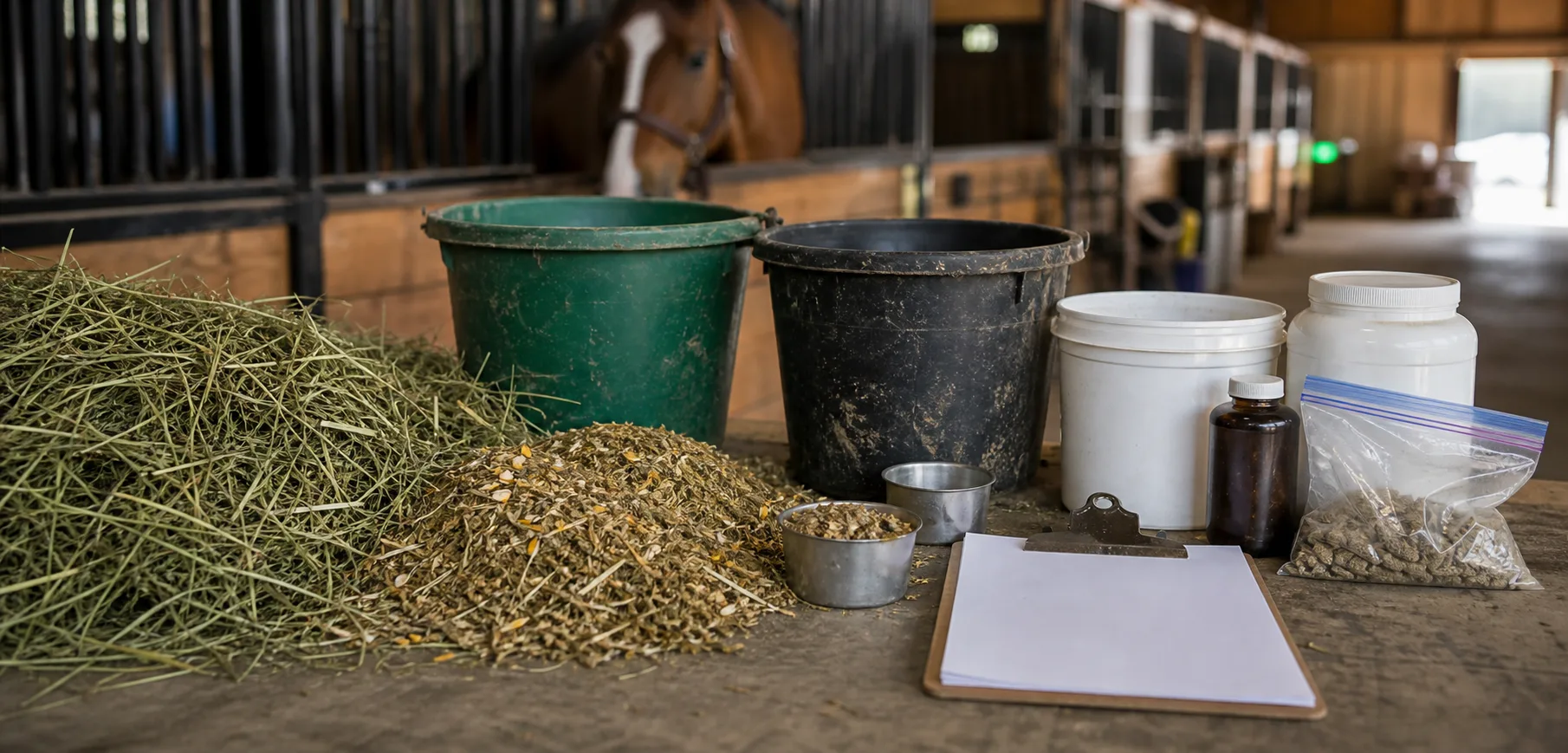
For longer hauls, write down the details that are obvious to your barn but not obvious to a driver: hay type, grain amount, supplement timing, medication schedule, water preferences, and who to call if the horse is not eating or drinking normally.
Practice loading before pickup day
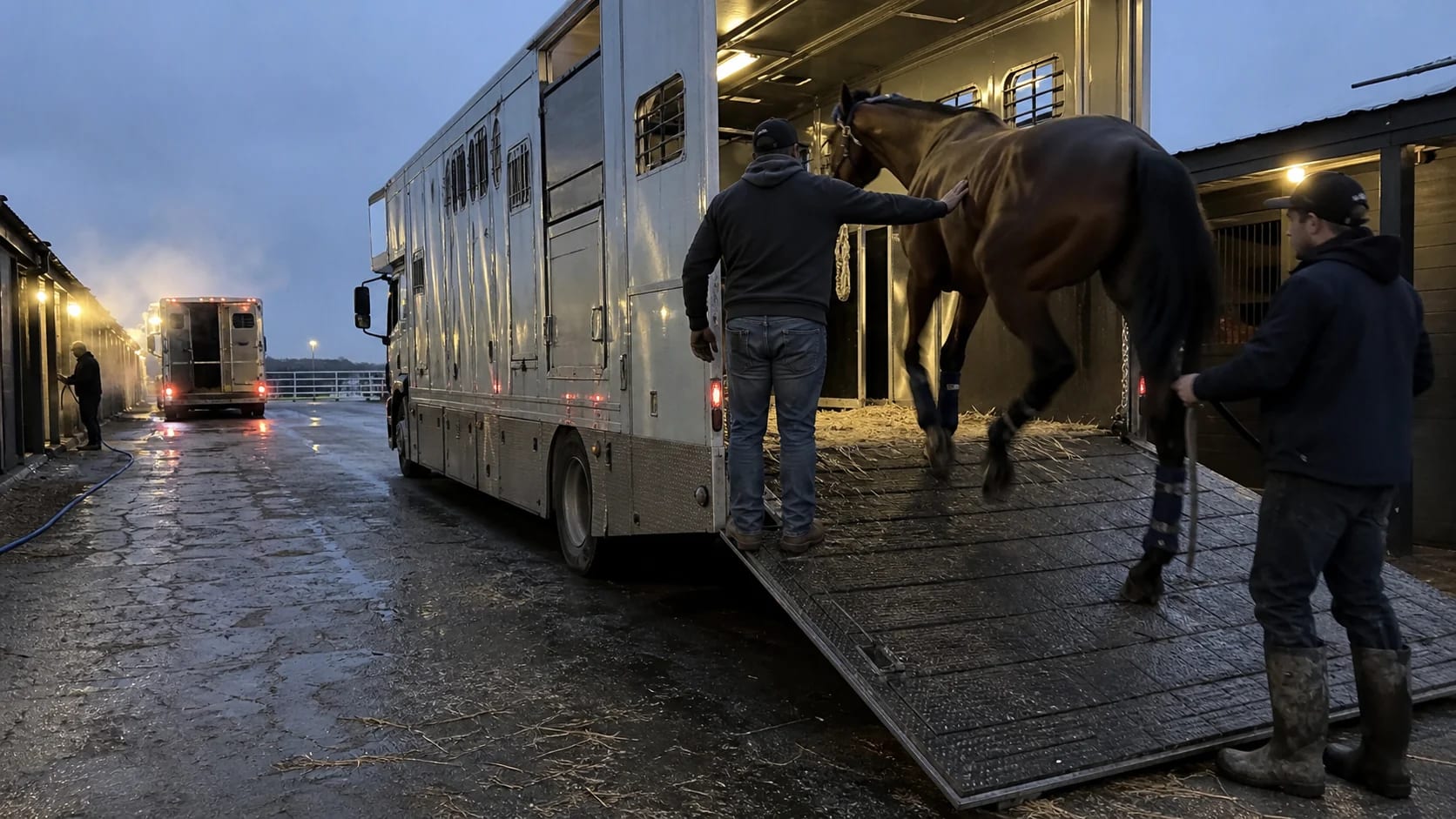
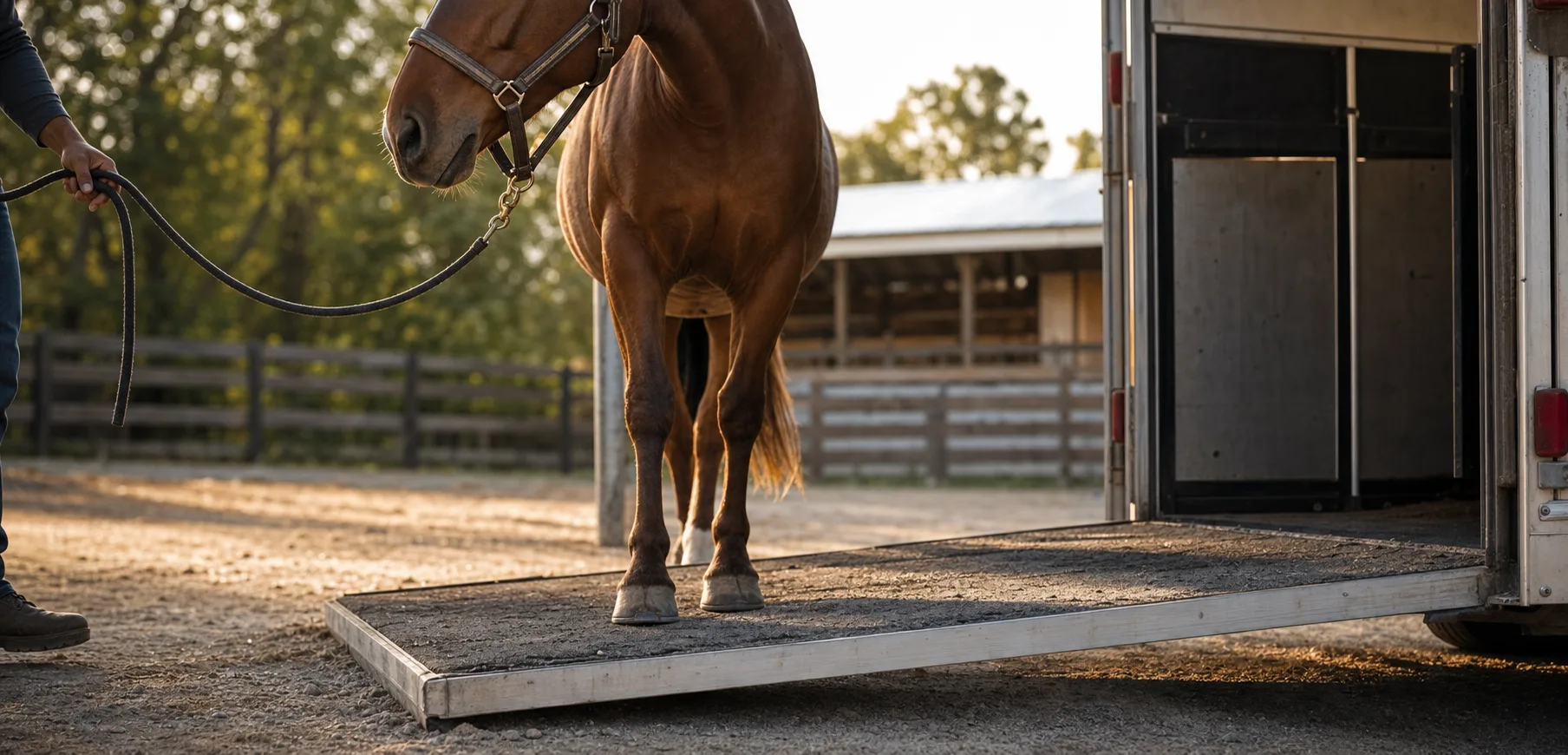
Pickup day is not the best time to discover that the horse will not load into a different trailer style. If the horse is green, anxious, recently injured, or known to hesitate, work on loading well before the trailer arrives. Use a professional handler or trainer when needed.
Do not hide loading issues to get a cheaper quote. Transporters can plan better when they know whether the horse needs extra time, a quiet setup, a ramp, a particular handler, or a private route.
Pack feed, hay, water notes, and medications
- Pack hay the horse already eats, with enough for the planned trip and a delay buffer.
- Put grain and supplements in labeled bags or containers.
- Separate medications from general gear and include the veterinarian's instructions.
- Include water notes if the horse is picky, slow to drink, or has a history of dehydration.
- Tell the transporter about colic history, tying up, shipping fever concerns, or stress behavior.
Prepare documents and emergency contacts
For interstate trips, owners often need to confirm Coggins or EIA paperwork and a CVI or health certificate when required. Events, sales, boarding barns, and state rules may add their own requirements. Use our horse transport documents guide before the trip is scheduled.
What to tell the transporter
- Horse age, breed, approximate size, and body condition.
- Loading and unloading history.
- Preferred trailer setup or stall type.
- Handling notes such as stallion, mare and foal, nervous traveler, kicker, or difficult loader.
- Medication, feeding, watering, and emergency instructions.
- Exact pickup and delivery access notes, including gates, driveways, and turnaround space.
Common preparation mistakes
- Changing feed right before shipping.
- Waiting until pickup day to check documents.
- Packing medication without written instructions.
- Not practicing loading for a horse that has a history of hesitation.
- Forgetting to share barn access details or receiving contact information.
- Assuming the driver knows the horse's routine without written notes.
How Palomo helps
Palomo structures the trip request so the horse, route, documents, contacts, and handling notes live together. That helps transporters quote the real job and helps owners compare plans beyond the final price.
The better the pre-trip notes, the fewer decisions have to be made while the trailer is waiting.
Long trailer transport FAQ
Should I wrap my horse for transport?
Ask your trainer or veterinarian. Wraps can help some horses but cause problems when applied poorly or when the horse is not used to them.
Should I sedate my horse for transport?
Do not make sedation decisions casually. Discuss medical and behavior concerns with your veterinarian and transporter before pickup.