International transport
International Horse Transport: Documents, Quarantine, and Ground Handoff
A practical guide to international horse transport documents, quarantine timing, air handoffs, insurance, and ground coordination.
International horse transport is not a normal domestic haul with a border crossing added at the end. It can involve export documents, import permits, veterinary testing, quarantine timing, customs coordination, airline or cargo handling, and ground transport on both sides of the trip.
Use this guide to understand the planning pieces before you speak with an international specialist. Exact requirements depend on the origin country, destination country, horse status, route, and current rules, so confirm details with the appropriate veterinarian, shipper, and government authority.
Table of contents
- International horse transport documents: the short version
- Export and import planning
- Quarantine and health testing
- Air transport and ground handoff
- What owners should organize early
- Common international shipping mistakes
- How Palomo helps
International horse transport documents: the short version
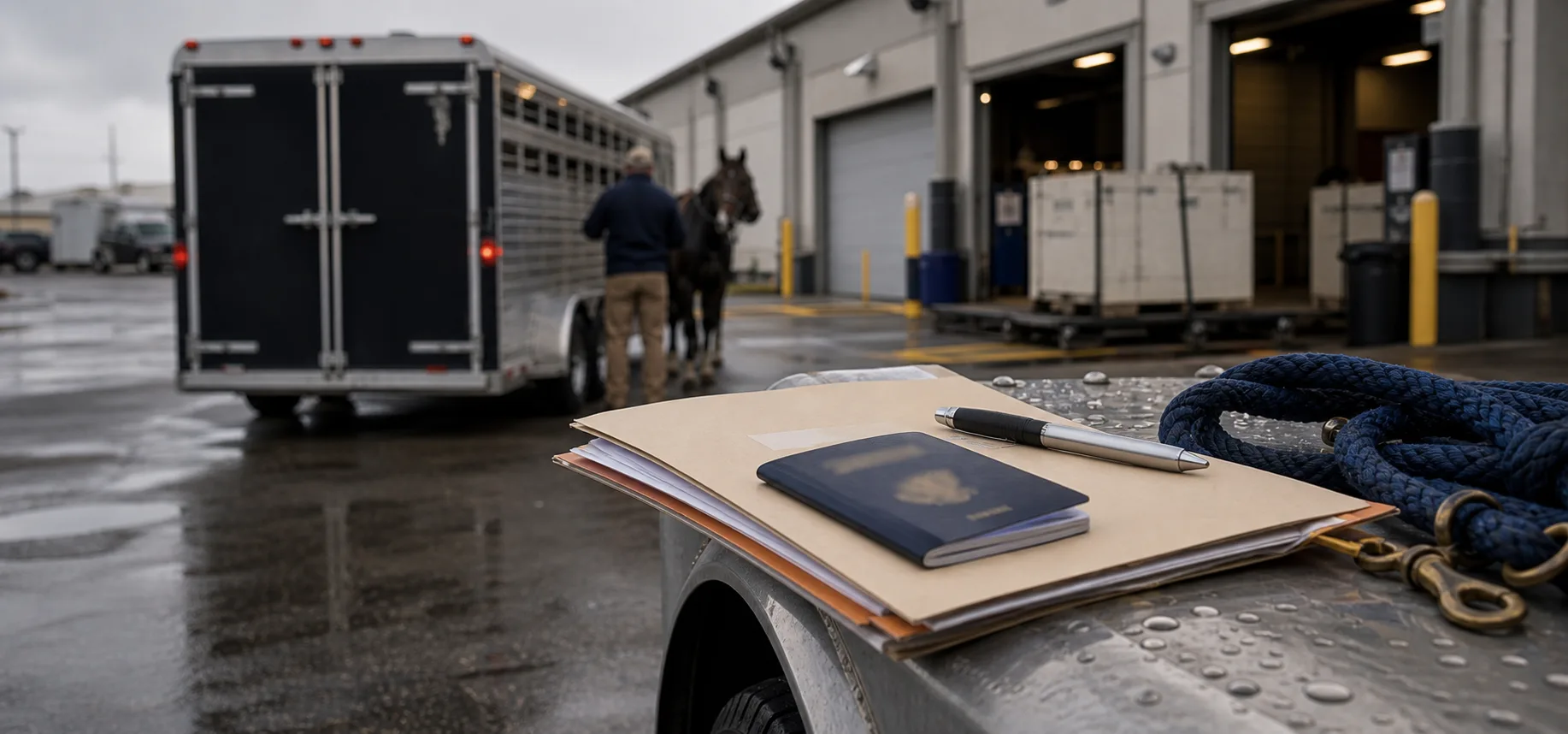
Expect to coordinate identification, ownership or agent authority, health testing, export documents, import permits when required, quarantine timing, airline or cargo details, customs information, insurance, and ground transport to and from the airport or quarantine facility.
- Confirm the horse's identity, passport, microchip, registration, and ownership or agent authority.
- Ask which tests, certificates, permits, and quarantine steps apply to the exact route.
- Build the timeline around veterinary and regulatory steps, not only the desired flight date.
- Plan pickup, airport handoff, arrival handling, and post-quarantine ground transport.
- Confirm insurance coverage for ground, air, and quarantine phases.
Export and import planning
International paperwork is route-specific. A horse leaving the United States, entering the United States, or moving between other countries may face different testing, certificate, permit, and quarantine rules. The timeline should start with the official requirements, then work backward to pickup and flight timing.
If the trip starts or ends with domestic ground transport, the local leg still matters. The horse must reach the airport, quarantine facility, or receiving barn with the right documents and contacts.
Quarantine and health testing
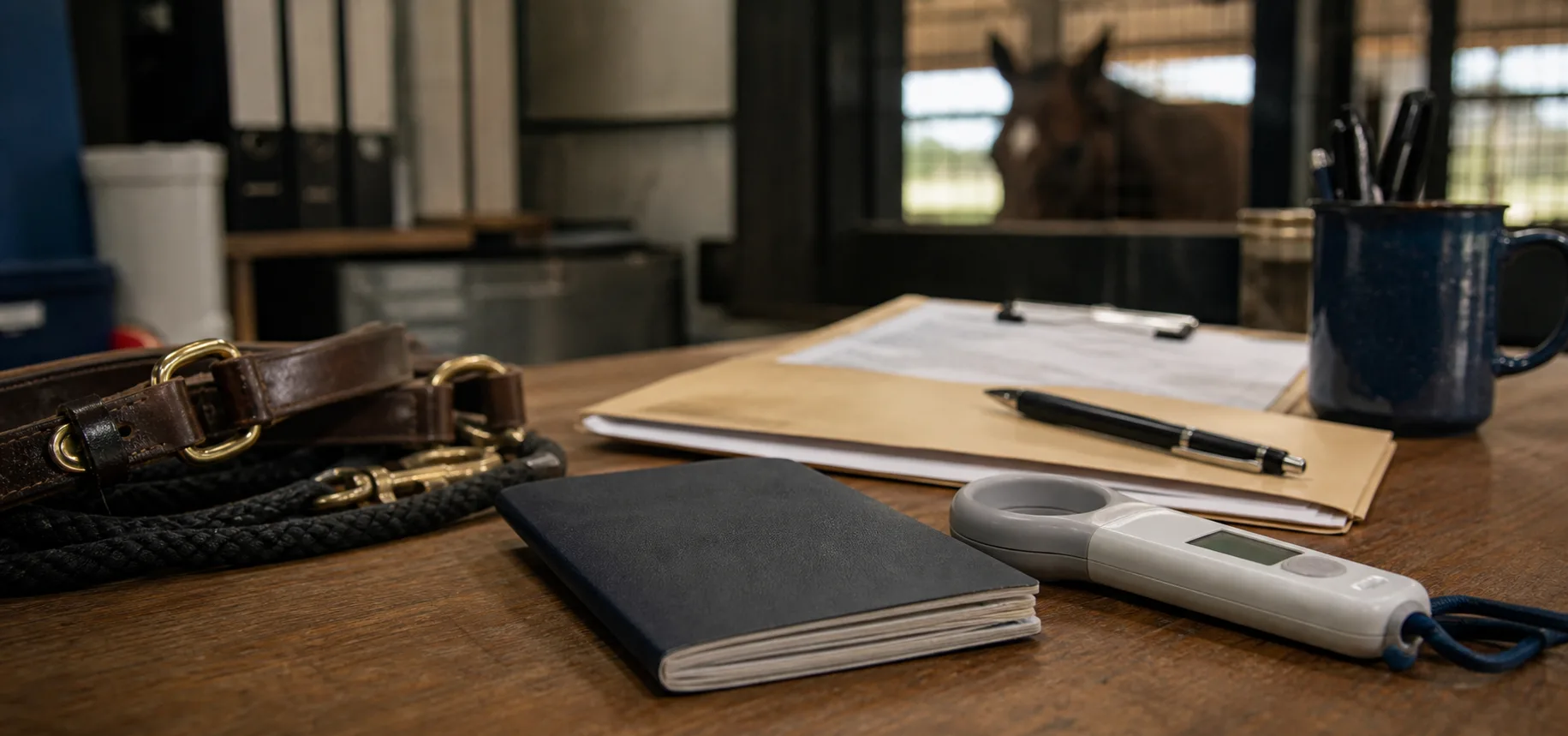
Quarantine is not just a holding period. It affects pickup timing, feed planning, exercise, paperwork, insurance, and when the receiving barn can take the horse. Ask who manages the horse during quarantine and what updates the owner will receive.
Testing windows can also shape the schedule. If a required test or certificate must happen within a specific date range, missing that window can move the entire trip.
Air transport and ground handoff
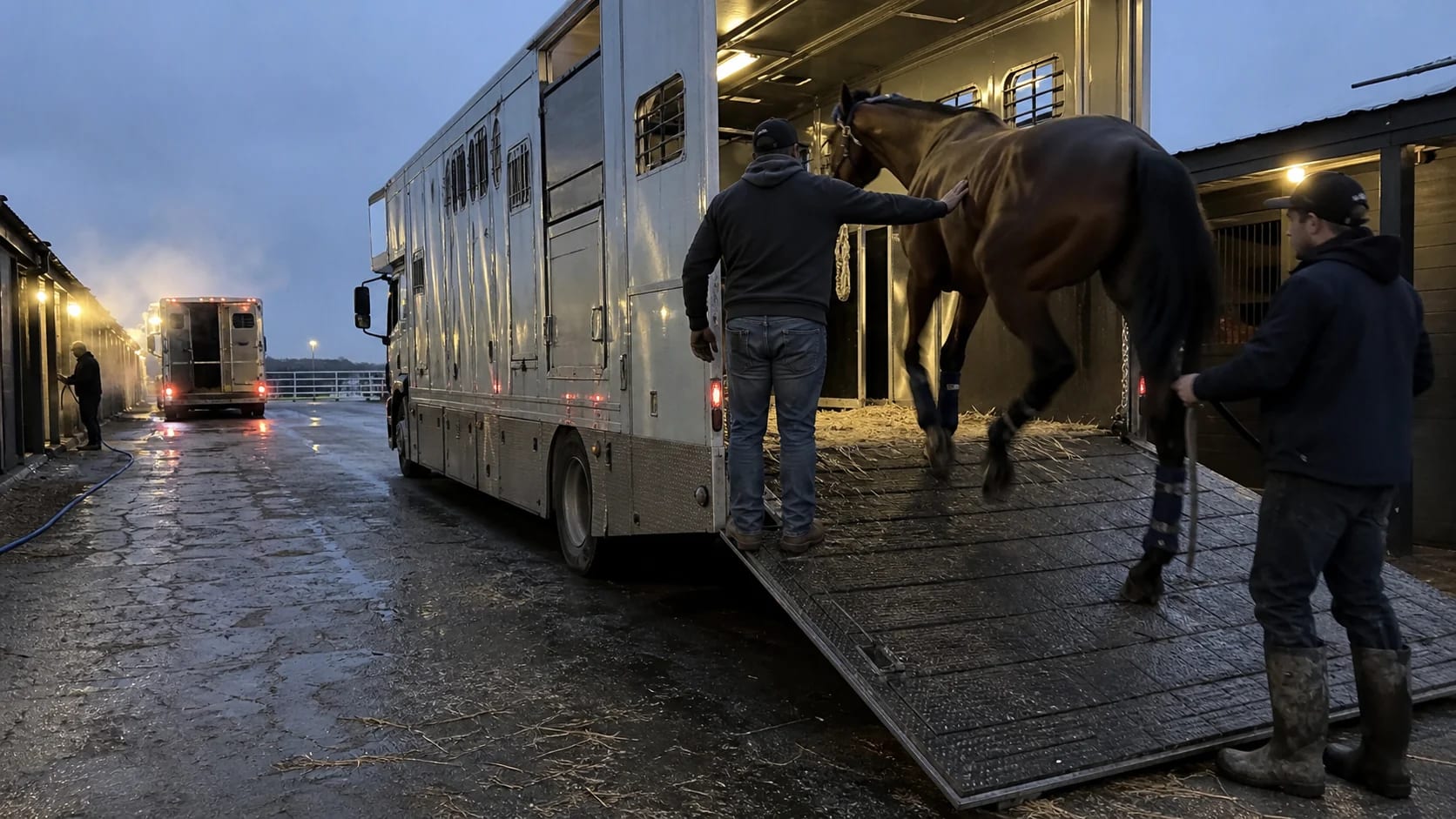
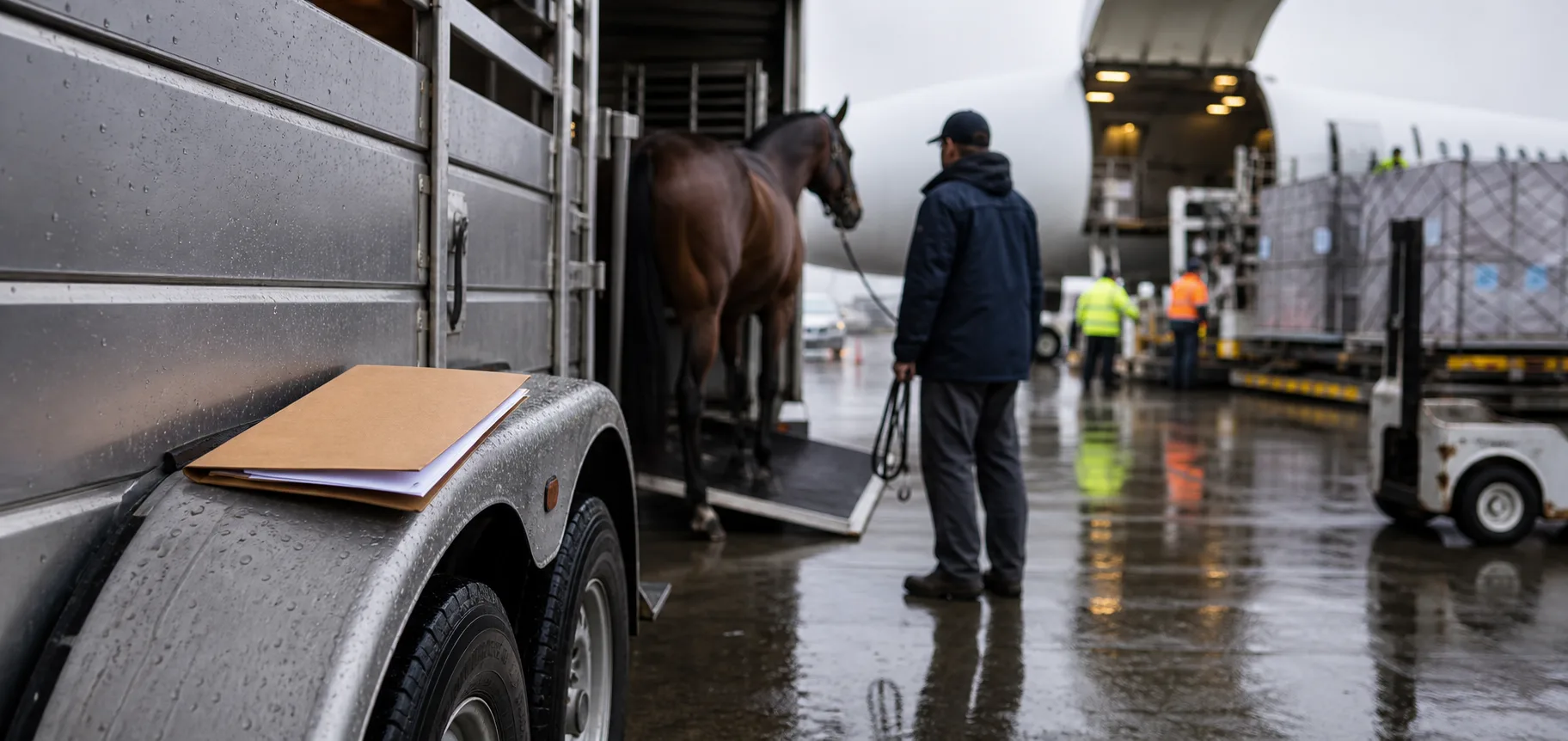
The handoff between ground transporter, airport or cargo team, flight coordinator, quarantine facility, and receiving barn should be planned in detail. Names, phone numbers, arrival windows, and document custody should be written down.
What owners should organize early
- Horse identity documents, passport, microchip, registration, and ownership authority.
- Veterinarian contact and test timeline.
- Export and import document checklist for the exact route.
- Insurance for ground transport, air transport, and quarantine.
- Feed, medication, and handling notes for every phase.
- Contacts for pickup barn, airport handoff, quarantine, and final destination.
Common international shipping mistakes
- Treating international transport like a domestic haul with extra miles.
- Planning pickup before the testing and document timeline is clear.
- Assuming one country's paperwork rules apply to another route.
- Not confirming who has custody of documents at each handoff.
- Forgetting domestic transport to or from the airport or quarantine facility.
- Not asking how the horse will be updated during quarantine.
How Palomo helps
Palomo supports the domestic ground coordination around international horse transport: pickup details, verified transporters, documents, route notes, and handoff clarity. For the international and regulatory pieces, work with the appropriate specialist and veterinarian.
International transport should be planned as a chain of handoffs, not a single pickup and delivery.
International horse transport FAQ
Can Palomo replace an international shipping agent?
No. International moves need specialist regulatory and air-cargo coordination. Palomo helps with the ground transport and trip visibility around those specialist steps.
When should I start planning an international horse move?
Start as early as possible. Document, testing, permit, quarantine, and flight timelines can drive the schedule more than the distance to the airport.